Need a dependable Redwater electrical contractor? You'll get certified Alberta electricians who manage permitting, complete stamped load calculations, and provide comprehensive documentation. We service residential, commercial, and industrial projects, including service panel updates, rewiring, EV circuits, GFCI/AFCI protection, selective coordination, and surge protection. We maintain active WCB and liability insurance, adhere to COR/SECOR safety protocols, and provide detailed one-lines, panel schedules, and inspection-ready reports. We offer detailed quotes, manufacturer-backed warranties, and prompt emergency response with accurate testing. Learn more to see how we guarantee code compliance from project start to final inspection.
Core Findings
- Certified Alberta electricians validated through Alberta's registry system, with current trade tickets, WCB, and liability insurance for residential and commercial work in Redwater.
- Full-service design and permit processing encompassing electrical load analysis, single-line drawings, electrical panel layouts, and inspection coordination for new builds and remodels.
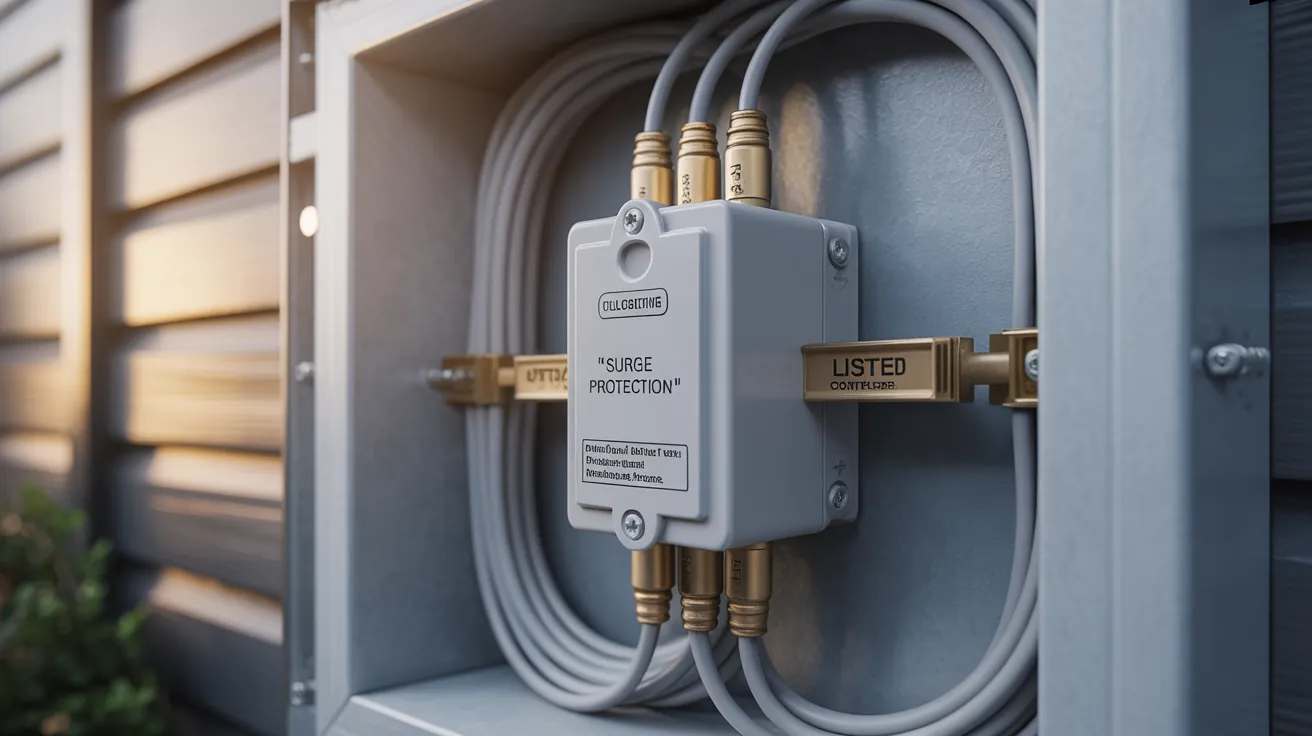
- Residential electrical offerings include: electrical panel modernization, electrical system rewiring, modern safety circuit protection, electric car charging solutions, whole-house surge protection, and comprehensive inspection reports.
- Power solutions for commercial and industrial applications including switchgear and transformer upgrades, coordination studies, arc-flash hazard analysis, metering, and system documentation.
- Robust safety protocols: COR/SECOR certification, safety lockout protocols, incident logs, and detailed inspection and maintenance records.
Understanding the Value of a Licensed Redwater Electrician
Qualifications are important. When you engage a licensed Redwater electrician, you reduce risk and guarantee work meets Canadian Electrical Code requirements and municipal permits. You must ask for licensed verification and check active trade qualifications with the Alberta credential registry. Check that the scope of authority aligns with the task, including system upgrades, electrical panels, and low-voltage installations. Obtain insurance confirmation: general liability and workers' compensation should be current and appropriate for project value and site conditions.
You need to ensure there are documented procedures, covering lockout/tagout, GFCI/AFCI compliance, correct conductor sizing, bonding, and fault-current calculations. Request written estimates that specify materials, ratings, and warranty terms. Confirm references and inspection history. A licensed professional documents as-built changes, labels circuits, and furnishes test results, guaranteeing safe, code-compliant outcomes and clear accountability.
Essential Residential Electrical Services You Can Rely On
With a licensed Redwater electrician for your project, you can trust in code-compliant residential services completed to CSA/CEC standards and local permit requirements. We carefully evaluate load calculations, service capacity, and bonding to guarantee safe operation and future expansion. You'll receive precise outlet placement to meet spacing rules, GFCI/AFCI protection where required, and tamper-resistant receptacles for child safety. Our team installs and identify panels, breakers, and circuits cleanly, balance phases, and confirm grounding electrodes.
We specialize in electrical lighting solutions, dimmer systems, and fixture ratings, along with dedicated circuits for major appliances, electric car charging stations, and heating/cooling equipment. Whole-home surge protection and point-of-use devices protect your devices from electrical spikes. We locate and repair electrical faults, correct aluminum wire terminations, and replace aging electrical panels. Prior to finalization, we perform comprehensive checks, maintain detailed records, and ensure proper certification to ensure your electrical system operates safely.
Commercial and Industrial Solutions Customized for Redwater
Your facility needs power upgrades that comply with CSA and NEC standards, accommodating increased power demands and preserving correct fault current levels, coordination, and arc-flash safety zones. We examine power feeders, switchgear equipment, grounding systems, and protection parameters, then implement phased cutovers to keep your plant operational. Furthermore, we provide preventive maintenance programs featuring IR thermography, torque verification, insulation resistance testing, and breaker exercising to decrease facility outages and maintain safety regulations.
Facility Electrical Upgrades
Modernize essential facilities with electrical system improvements engineered for Redwater's business and manufacturing needs. You get technical solutions that align with regulatory specifications, power company guidelines, and safety protocol compliance. We properly configure switchgear, transformers, and busway, add selective coordination, and deploy sophisticated power monitoring to balance peak demand and secure essential operations.
We evaluate electrical fault currents, SCCR ratings, and grounding systems to mitigate fault hazards. Power quality studies guide harmonics mitigation using tuned filters, 12- or 18-pulse drives, and K-rated transformers to protect sensitive equipment. You gain infrastructure for EV fleets, process electrification, and backup generation with transition mechanisms (open, closed, and soft loading). We incorporate monitoring systems, control infrastructure, and protection devices, commission to spec, and document as-built configurations for reliable, code-compliant performance.
Proactive Maintenance Solutions
A well-maintained infrastructure operates at peak efficiency as long as a systematic maintenance schedule is in place. It's essential to have a documented program that aligns with CSA/CEC requirements, recommended maintenance schedules, and your operational requirements. We establish component catalogs, set priority levels, and plan periodic inspections to verify grounding integrity, electrical connections, GFCI/AFCI function, and connection tightness. We utilize infrared thermography, ultrasonic scans, and oil testing enable predictive monitoring that pinpoints potential issues prior to breakdown.
We provide thorough maintenance services, including switchgear maintenance, breaker testing, relay calibration, motor testing, and emergency system validation. Arc flash labeling, single-line diagram updates, and lockout/tagout procedures are kept up to date. You receive detailed timestamped reports, comprehensive deficiency lists, and organized work orders. Results deliver reduced operational interruptions, stabilized energy use, and safe, compliant operations across all Redwater locations.
24/7 Emergency Electrical Support
During after-hours electrical emergencies with tripped circuits or overheating panels, immediate, code-compliant action prevents escalation and downtime. more info You need a rapid response that isolates the fault and validates protection system parameters while ensuring safe power restoration. Our certified electricians deploy with proper testing equipment, safety gear, and security protocols to quickly secure your facility.
We perform comprehensive diagnostic testing, thermal imaging, and resistance measurements to pinpoint problems accurately. If utility power is unstable, we install emergency generators appropriate for your load requirements, implement transfer equipment, and establish surge mitigation to shield sensitive electronics. You obtain comprehensive reports, verified testing documentation, and temporary power restores that meet NEC and local authority requirements. We manage parts procurement and return-to-service schedules to make sure your critical operations restart securely.
Service Panel Modernization, Rewiring, and Safety Code Requirements
After addressing emergency faults, you ensure long-term uptime by fixing undersized panels, aging conductors, and non-compliant terminations. You begin with a load calculation, verify fault current ratings, and specify a service panel with sufficient ampacity and interrupting capacity. You replace deteriorated branch wiring, establish bonding and grounding, and adjust torque to manufacturer specifications. You install whole-home surge protection at the service and necessary locations. You provide clear circuit labeling, code-compliant AFCI and GFCI protection, and individual circuits for high-demand equipment.
You divide neutral and ground conductors in subpanels, ensure proper conductor fill, and use listed connectors. You test insulation resistance, verify polarity, and conduct arc-fault diagnostics. You finish with permit processing, inspection-verified documentation, and a marked one-line diagram for continued maintenance.
Efficient Lighting Solutions with Smart Home Technology
While aesthetics are important, you emphasize energy efficiency metrics, controllability, and standards conformity by choosing high-performance LED lighting, matching control drivers, and certified control systems that satisfy area-specific regulations (e.g., NEC, IECC, Title 24). You select compatible components to eliminate flicker, ensure control signal compatibility, and maintain voltage drop limits on low-voltage runs. You implement LED controls with presence monitoring and ambient light adaptation to decrease electrical load while ensuring lighting goals.
You incorporate smart switches, gateways, and secure Wi‑Fi or Zigbee/Z‑Wave bridges with manufacturer APIs. You secure networks, isolate IoT devices, and implement multi-factor authentication. With Voice automation, you program scenes that meet override protocols and demand-response standards. You mark circuits, confirm fault protection systems, and record settings for system verification and user training.
Building Construction, Remodeling, and Project Development
You begin with electrical design planning that coordinates loads, circuits, and panel schedules to current regulatory guidelines, with provisions for clear pathways for future expansion. For new build wiring, you establish wiring requirements, protection mechanisms, fault-current parameters, and grounding/bonding protocols to secure regulatory approval and protection. During remodeling work, you assess existing circuits, resolve legacy issues (like aluminum terminations, undersized neutrals, GFCI/AFCI gaps), and confirm code compliance before restoring power.
Electrical Layout Planning
From initial planning to final implementation, electrical design work forms the technical foundation for compliant and secure new construction and renovations. The process starts with a rigorous load calculation to determine service requirements and panel configurations. Then map circuits to ensure even power distribution and voltage stability. Engineers validate spacing requirements, grounding systems and protective device coordination to meet code and mitigate hazards. With phasing coordination, the team coordinates system energization and power transfers to maintain operations while ensuring safety.
You establish short-circuit ratings, protective device coordination, and distribution architecture to guarantee selective tripping. You specify conductor sizing, conduit fill, and derating for environmental and bundling conditions. You prepare panel schedules, one-lines, and sequence-of-operations for inspection approval and permitting, integrating egress illumination, emergency power, and life-safety systems without sacrifice.
New Property Electrical Systems
Prior to closing walls and ceilings new construction wiring forms the backbone for dependable electrical and lighting and security components across construction and renovation work. You'll receive detailed circuit mapping, fault-current protection verification and panel locations coordinated coordinated with building systems and exit routes. We determine appropriate feeders, selects safety devices and establishes organized documentation for simplified maintenance.
We determine outlet positions according to functionality and height specifications, ensuring compliance with spacing regulations while accommodating furniture arrangements and equipment needs. Conduit routing follows the most practical routes, adhering to bend limitations and fill ratio requirements to reduce thermal issues and facilitate future cable installations. We maintain separation between low-voltage and power circuits, ensure proper metallic bonding, and implement required AFCI/GFCI protection. While performing rough-in work, we properly secure all cables, safeguard bored framing elements, and maintain comprehensive as-built records to ensure smooth inspections.
Code Compliance for Renovations
While each renovation project is unique, building codes govern work scope, timing, and required inspections from start to finish. You'll start by validating applicable electrical codes, municipal regulations, and utility provider requirements, then assessing current setup. Our team handles regulatory approvals, technical submissions, and electrical load analysis, covering circuit mapping, protective device placement, safety-compliant fixtures, and overcurrent protection requirements. You can expect revised electrical panels for proper capacity, properly configured ground systems, and code-compliant service disconnect labeling.
We coordinate work phases to maintain reliable temporary power and comply with inspection requirements for rough-in, cover, and final stages. Firestopping is completed on all penetrations, while maintaining box accessibility and maintaining standards for conductor fill, support, and derating. We work closely with other trades to protect required clearances and operational access. Prior to system energization, we perform comprehensive testing of all safety systems and circuit components, documenting all results for AHJ review and approval.
Straightforward Pricing, Quotations, and Warranty Assurance
When planning electrical work in Redwater, you should expect clear numbers, scope, and coverage. You'll get detailed breakdowns that break out labor, materials, permits, disposal, and testing, aligned with Alberta Electrical Code requirements. We specify circuit counts, conductor types, breaker ratings, GFCI/AFCI locations, and device quantities allowing you to confirm safety standards and capacity before work starts.
The provided quote locks pricing aligned with the outlined requirements and includes provisions for unforeseen conditions with preapproved unit rates. Should a competing licensed quote corresponds to project requirements and details, we'll match the price to maintain cost-effectiveness without jeopardizing safety.
Warranty protection is clearly specified: parts coverage follows manufacturer specifications, labor warranty applies to craftsmanship, and timelines for addressing defects are specified. You will receive complete documentation, inspection results, and warranty contact information for quick and accountable assistance.
How to Assess Home Improvement Professionals: Qualifications, Ratings, and Testimonials
With established scope and pricing, you should confirm the contractor's qualifications and reliability. Confirm they possess an active electrical license in Alberta and maintain valid insurance and Workers' Compensation Board protection. Inquire about who handles Electrical permits; the contractor must pull permits and book necessary inspections. Remember to verify trade qualifications, apprenticeship credentials, and equipment certifications for all installations.
Execute due diligence checks: request a clean safety history, COR/SECOR certification, and incident logs. Evaluate past projects involving similar voltage, capacity, and occupancy classification. Analyze references - reach out to them - and ask about code compliance, inspection success rates, change-order control, and deficiency resolution. Evaluate online reviews for workmanship, timeline compliance, and cleanup. Request written protocols for lockout/tagout, arc-flash warning systems, and as-built documentation before finalizing the agreement.
Common Queries
Are You Covered With Additional Insurance Besides Standard Liability and Workers' Compensation?
You carry extensive insurance beyond standard liability and workers' compensation. You have specialty policies consisting of professional liability (errors and omissions), pollution liability, inland marine/tool floater, cyber liability, and excess/umbrella coverage. You align coverage limits with project scope, NEC/OSHA risk profiles, and contract requirements. You offer real-time certificate verification via your insurer, designating owners/GCs as additional insureds with primary and noncontributory wording and waiver of subrogation. You update endorsements before mobilization.
How Do You Handle Disposal and Recycling of Used Electrical Parts?
You segregate and label decommissioned components based on EPA and NFPA protocols, then route them to authorized recyclers. You treat PCB ballasts, lead-acid batteries, and mercury lamps as dangerous waste with chain of custody records. You recover copper and aluminum, and prioritize component refurbishment when UL listing and manufacturer specs allow. You clear data on smart meters, record chain-of-custody, and provide recycling certificates. You avoid landfilling electronic waste; you verify R2/RIOS compliance and local code alignment.
What Are Our Policies Regarding Local Authority Permit Delays?
We account for permitting delays by incorporating contingency into permit timelines and keeping proactive dialogue with regulatory bodies. You'll receive detailed schedules, properly documented submittals, and stamped drawings prepared for review. When authorities extend review or request revisions, we respond within one business day, provide code-compliant corrections, and notify you of revised critical-path impacts. We always adhere to permitting processes; we organize work to stay safe and compliant, reducing downtime through prefabrication work and non-permit-dependent tasks.
Are You Able to Sync Schedules With Different Trade Services to Limit Disruptions?
Watch us coordinate schedules seamlessly, harmonizing critical-path tasks for optimal timeline management. We chart dependencies, lock sequences, and stage materials to maintain outage minimization. We deliver updated Gantt charts, daily standups, and clear cutover windows. We ensure code-compliant access, manage permits, and pre-test panels to shorten shutdowns. We'll confirm lockout/tagout, arc-flash boundaries, and inspection slots so other trades coordinate effectively, reducing rework and idle time.
Are Post-Project Maintenance Plans and Annual Safety Inspections Available?
Yes. You have the option to sign up for maintenance agreements that feature annual, code-compliant safety evaluations and regular inspections tailored to your system's load profile. We thoroughly examine insulation resistance, terminations, GFCI/AFCI performance, breaker calibration, grounding and bonding connections, and thermal signatures using IR scanning. You'll receive a prioritized corrective action report, NFPA 70/70B-aligned documentation, and lifecycle recommendations. We also offer optional quarterly scheduled inspections for mission-critical sites to reduce unplanned outages and ensure warranty compliance.
Conclusion
Picture your Redwater your electrical infrastructure like maritime rigging: every conductor tensioned, all breakers acting as safety barriers. You pick a certified professional, review specifications, and test lines prior to operation. You assess electrical demands, ensure phase equilibrium, and adhere to standards-CSA, CEC, manufacturer guidelines-so storms don't snap the mast. When faults flare, you isolate, disconnect, and carefully restore service. Maintain these practices, and your system stays reliable, your budget stays on course, and your vessel returns safely, time after time.